

Dropped Object Prevention
Protect workers, protect equipment, and prevent downtime.
Every year, workplace injuries occur when tools, equipment, and other objects fall from height. Whether it is a hand tool, loose fitting, or larger component, dropped objects can cause serious injuries, damage equipment, and disrupt operations.
A well-designed dropped object prevention program helps organizations identify hazards, implement effective controls, and support compliance with standards such as ANSI/ISEA 121 and CSA Z259.
What is a dropped object?
A dropped object is any item that falls from its previous position, either due to gravity or as a result of movement, vibration, equipment failure, or human interaction.
Common examples include:
- Tools, bolts, or equipment falling from elevated work areas
- Components loosened by vibration or improper fastening
- Debris dislodged during maintenance activities or lifting operations
- Personal items such as phones, radios, flashlights, or pens falling from pockets or tool belts
Even a relatively small object can generate significant impact force when dropped from height. A dropped wrench, for example, can cause serious injury or extensive equipment damage.
Impact force of a dropped object
Measured in pounds per square inch
| Drop height (feet) | 1 | 2 | 3 | 4 | 5 | 6 | 7 | 8 | 9 | 10 |
|---|---|---|---|---|---|---|---|---|---|---|
| 300 | 434 | 867 | 1,301 | 1,735 | 2,168 | 2,608 | 3,036 | 3,469 | 3,903 | 4,337 |
| 200 | 354 | 708 | 1,062 | 1,416 | 1,771 | 2,125 | 2,479 | 2,833 | 3,187 | 3,541 |
| 150 | 307 | 613 | 920 | 1,227 | 1,533 | 1,840 | 2,147 | 2,453 | 2,760 | 3,067 |
| 100 | 250 | 501 | 751 | 1,002 | 1,252 | 1,502 | 1,753 | 2,003 | 2,253 | 2,504 |
| 50 | 177 | 354 | 531 | 708 | 885 | 1,062 | 1,239 | 1,416 | 1,593 | 1,771 |
| 20 | 112 | 224 | 336 | 448 | 560 | 672 | 784 | 896 | 1,008 | 1,120 |
| 10 | 79 | 158 | 238 | 317 | 396 | 475 | 554 | 633 | 713 | 792 |
| 6 | 61 | 123 | 184 | 245 | 307 | 368 | 429 | 491 | 552 | 613 |
Types of dropped objects
Understanding how dropped object incidents occur is an important step in reducing risk.
Static dropped objects
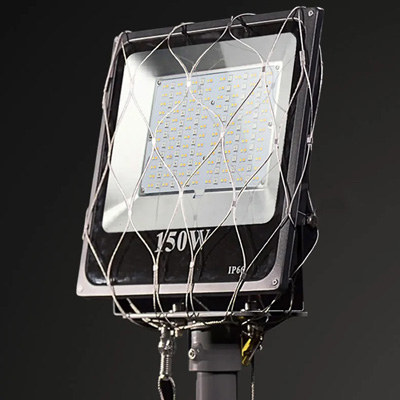
Static dropped objects occur when items are not adequately secured and eventually fall due to vibration, corrosion, weather exposure, or improper installation.
Example: A light fixture loosens from its mounting hardware and falls.
Dynamic dropped objects
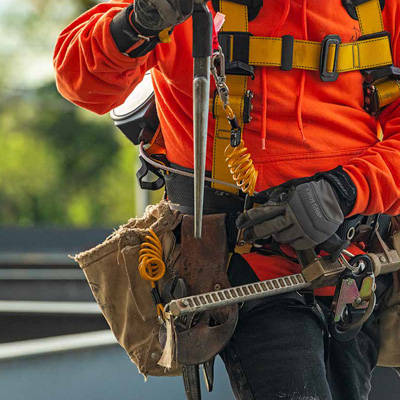
Dynamic dropped objects occur when equipment, materials, or tools are unintentionally displaced by workers, machinery, or operational activities.
Example: A worker accidentally knocks a wrench from a scaffold platform.
Why dropped object prevention matters
Dropped object incidents can result in:
- Serious injuries or fatalities
- Equipment and structural damage
- Operational downtime and project delays
- Regulatory penalties and liability exposure
- Increased maintenance and replacement costs
Implementing a prevention program demonstrates a commitment to workplace safety and supports broader occupational health and safety objectives, including ISO 45001 management practices.
Key elements of a dropped object prevention program
1. Risk assessment
The first step is identifying areas where falling-object hazards may exist, including:
- Scaffolding and elevated platforms
- Towers and structural steel
- Crane operations
- Overhead assembly or maintenance activities
Areas above personnel walkways and operating equipment
2. Control measures
Once hazards have been identified, appropriate controls should be implemented.
Tool tethering
Use approved tethers, lanyards, connectors, and anchorage solutions to secure tools when working at height.
Barrier systems
Install netting, toe boards, debris containment systems, and other barriers to help prevent falling-object incidents.
Secondary retention
Provide secondary securing methods for mounted equipment such as lights, instruments, cameras, and fixtures.
Exclusion zones
Establish controlled-access areas beneath elevated work activities to reduce worker exposure.
3. Training and awareness
Workers and supervisors should understand:
- Proper tool tethering practices
- Inspection requirements
- Hazard identification procedures
- Incident reporting expectations
- Safe work-at-height practices
4. Inspection and maintenance
Routine inspections should include:
- Tool tethering equipment
- Lanyards and connectors
- Attachment points and anchors
- Platforms, barriers, and containment systems
- Mounted equipment and fixtures
Damaged or worn equipment should be removed from service and replaced in accordance with manufacturer recommendations.
Products and solutions
Levitt-Safety works with industry-leading manufacturers to provide dropped object prevention solutions that support safer work at height.
Category | Examples |
Tool tethering systems | Tool lanyards, tethers, connectors, attachment points |
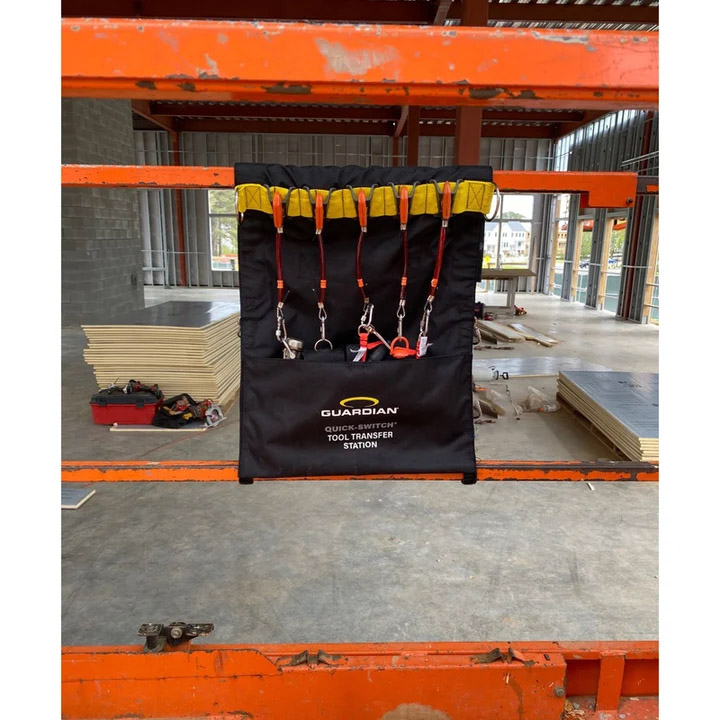
Tool bags and storage | FME-rated pouches, holsters, buckets, and storage systems |
Barriers and netting | Debris containment and work-area protection |
Inspection tools | Hazard assessment and inspection equipment |
Training and consultation | Site assessments, safety training, and prevention planning |
-12.jpg?width=233&height=380)
-17.jpg?width=377&height=405)
Compliance standards
Dropped object prevention programs support alignment with recognized standards and industry best practices, including:
- ANSI/ISEA 121 – Standard for dropped object prevention solutions
- CSA Z259 – Canadian fall protection standards
- ISO 45001 – Occupational health and safety management systems
- Applicable provincial occupational health and safety regulations
How Levitt-Safety can help
Our specialists can help organizations:
- Evaluate dropped object hazards
- Develop practical prevention strategies
- Select tethering, containment, and retention solutions
- Deliver worker and supervisor training
- Support compliance and documentation requirements
Frequently asked questions
-
Dropped object prevention involves identifying, controlling, and mitigating hazards associated with tools, equipment, and materials that could fall from height.
-
ANSI/ISEA 121 establishes performance requirements and testing criteria for solutions designed to prevent dropped objects, including tool tethering systems.
-
Tool tethering helps reduce the likelihood of dropped tools and contributes to safer work-at-height practices.
-
Construction, utilities, manufacturing, mining, telecommunications, energy, and industrial maintenance operations can all benefit from dropped object prevention programs.
-
Inspection frequency should follow manufacturer instructions and site-specific safety procedures. Visual inspections should be completed before each use.