

Dropped Object Prevention & FME Safety Solutions
Categories
Protect people, equipment, and operations
Dropped objects and foreign material contamination present serious safety and operational risks across industrial workplaces. Whether you're working at height or maintaining critical equipment, implementing effective prevention measures can help reduce incidents, improve reliability, and support regulatory compliance.
What is a dropped object?
A dropped object is any item that falls from a height and has the potential to cause injury, equipment damage, production delays, or environmental impacts.
Dropped objects remain one of the leading causes of serious incidents in industrial environments, particularly in construction, utilities, manufacturing, energy, and maintenance operations.Common examples of dropped objects
Dropped objects can include:
- Tools slipping from scaffolding, platforms, or elevated work areas
- Bolts, clamps, and fittings loosened by vibration
- Components dislodged during maintenance activities
- Equipment failures resulting in unintended object release
- Mobile devices, radios, and portable instruments dropped while working at height
Why dropped object prevention matters
Even relatively small objects can create significant hazards when dropped from elevation.
A tool falling from height can generate substantial impact force, potentially resulting in:
- Serious worker injuries or fatalities
- Equipment damage
- Unplanned downtime
- Production losses
- Regulatory investigations and compliance concerns
Implementing a comprehensive dropped object prevention program helps organizations improve workplace safety, protect assets, and support compliance with recognized standards, including:
- CSA Z259
- ANSI/ISEA 121
- ISO 45001
Dropped object prevention best practices
Tool tethering systems
Tool tethering helps prevent tools and devices from falling by securing them to workers, structures, or approved anchor points.
Barrier and containment systems
Protect workers below elevated work areas using:
- Safety nets
- Toe boards
- Tool bags
- Secondary retention devices
- Exclusion zones
Regular inspections
Routine inspections can help identify:
- Loose fasteners
- Worn attachments
- Damaged equipment
- Potential dropped object hazards before incidents occur
Training and awareness
Effective dropped object prevention programs include worker training, hazard awareness initiatives, and ongoing reinforcement of safe work practices.
Foreign Material Exclusion (FME)
What is foreign material exclusion?
Foreign Material Exclusion (FME) is a systematic approach to preventing loose materials, debris, tools, and other objects from entering critical equipment or controlled work areas where they could cause damage or operational failure.
FME programs are widely used in:
- Power generation
- Manufacturing
- Oil and gas facilities
- Utilities
- Process industries
Effective FME practices help maintain system integrity, improve reliability, and reduce the risk of costly equipment failures.
Common FME risks
Without proper controls, foreign materials can enter sensitive systems during inspections, maintenance, and construction activities.
Typical FME risks include:
- Tools or fasteners left behind in turbines, vessels, or piping systems
- Debris entering mechanical or electrical assemblies
- Contamination of clean manufacturing environments
- Damage to critical equipment caused by foreign object intrusion
FME zone best practices
Establishing and maintaining effective FME zones is critical to program success.
Establish Controlled FME Zones
Clearly identify restricted work areas using signage, barriers, and access controls.
Use FME kits and tool accountability systems
Implement FME kits that support:
- Tool tracking
- Equipment accountability
- Inventory management
- Foreign material control
Conduct entry and exit inspections
Verify that personnel, tools, and materials are accounted for when entering and leaving FME-controlled areas.
Provide Ongoing Training
Regular training helps reinforce procedures, improve compliance, and strengthen organizational accountability.
HARD HAT SECURED
SAFETY GLASSES WITH LANYARD & SIDE SHIELDS
EAR PLUGS TETHERED
TLD & ED SECURED TO BODY
WRIST CUFFS & ANKLES SECURED WITH HOOK & LOOP OR TAPE
FME READY WORKER
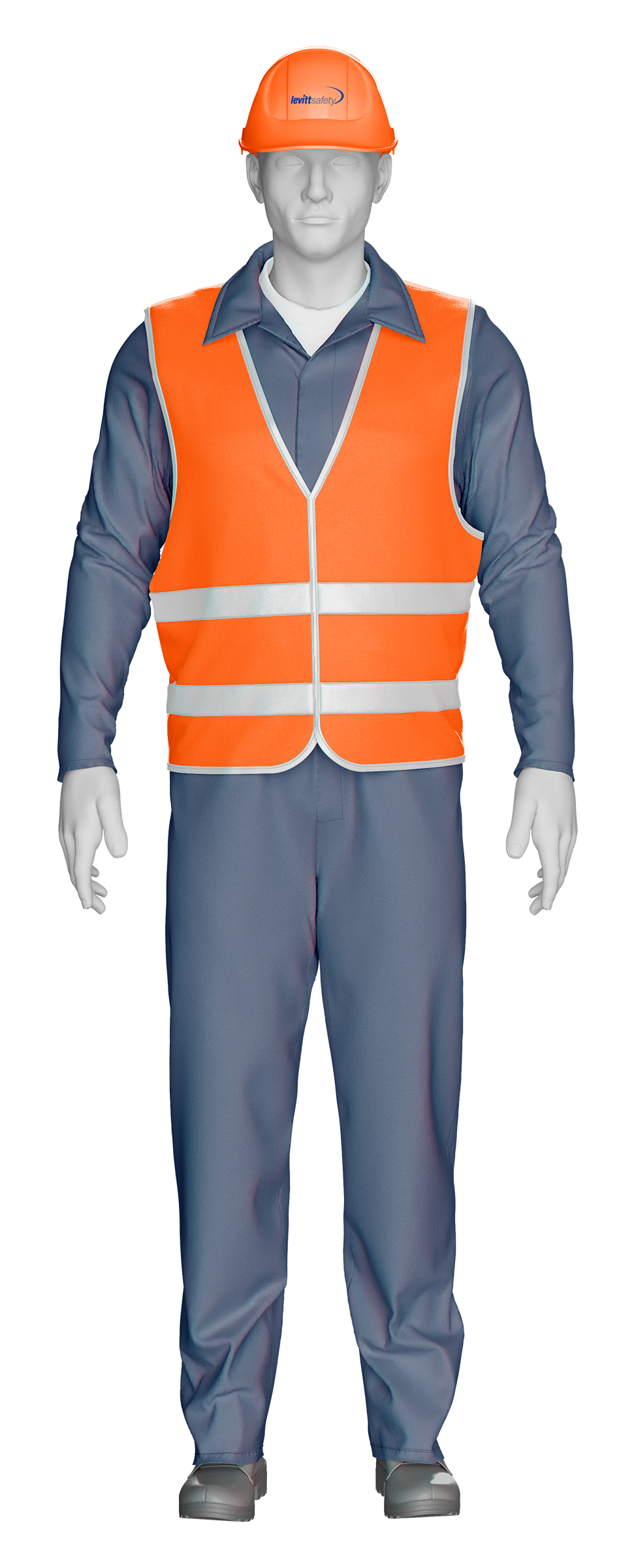
THINK FME
NO METAL PAPER CLIPS OR STAPLES
BELT BUCKLE SECURED
NOTHING IN POCKETS NO PHONE, PAGER OR COINS
CHECK BOTTOM OF FEET
Levitt-Safety offers a complete range of dropped object prevention and FME safety solutions, including:
- Certified tool tethering systems and accessories
- FME covers, barriers, and containment products
- Tool accountability and tracking solutions
- Safety training programs
- Inspection and compliance support
Our specialists work with organizations across Canada to identify practical solutions that improve worker safety and operational performance.
Frequently asked questions
-
A dropped object is any item that falls from a height and could cause injury, damage, or operational disruption.[GR1]
What industries use dropped object prevention programs?
Dropped object prevention programs are commonly used in manufacturing, construction, utilities, energy, mining, transportation, and industrial maintenance operations.
[GR1]Thumbs Up.
-
FME stands for Foreign Material Exclusion, a process designed to prevent foreign materials from entering sensitive equipment or controlled work areas.
-
Tool tethering helps prevent tools from falling from height, reducing the risk of injuries, equipment damage, and operational disruptions.
-
FME zones are designated work areas where controls are implemented to prevent foreign materials from entering critical equipment or systems.