

Ontario’s new Type 2 head-protection requirements: What employers need to know

Head protection is undergoing one of its most significant changes in decades.
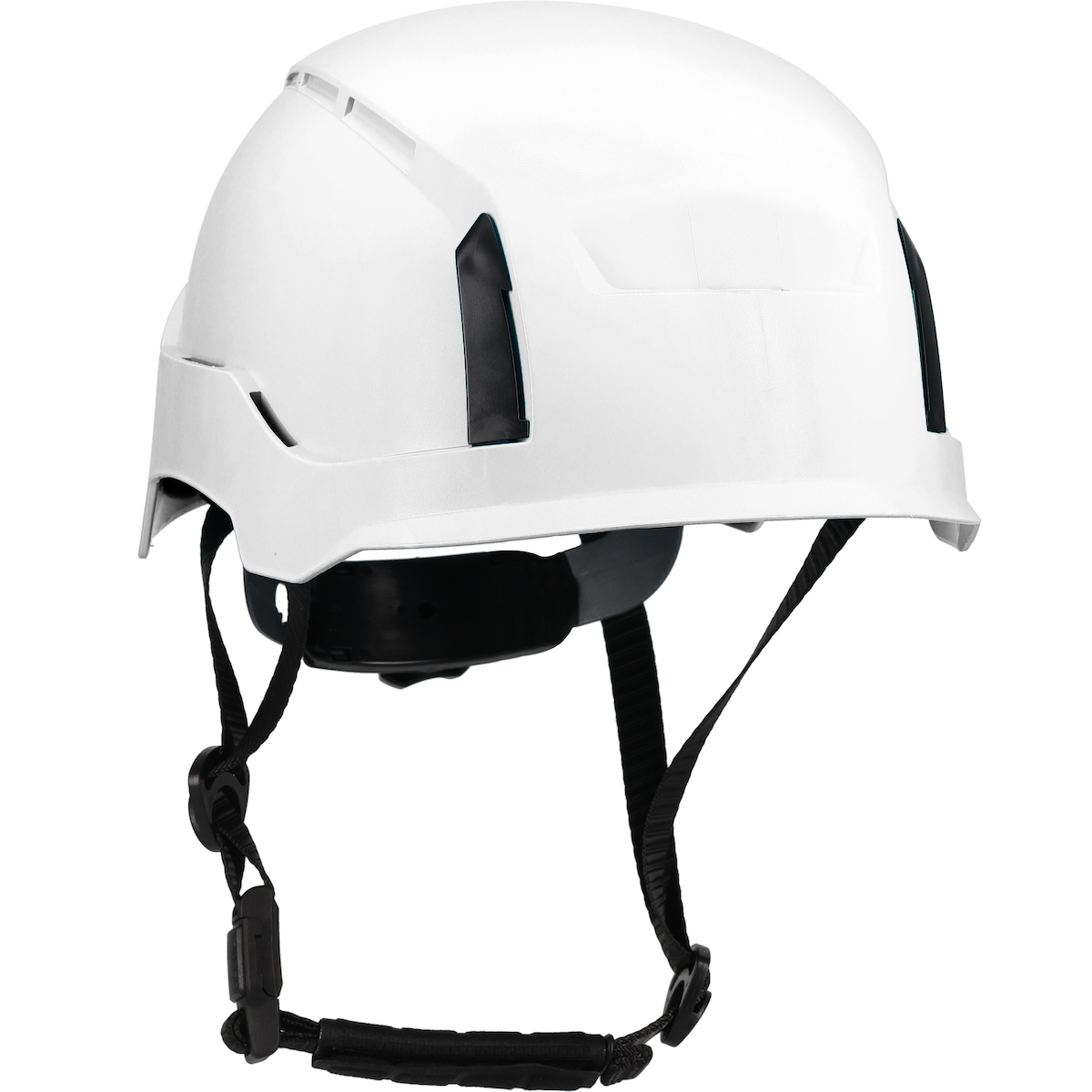
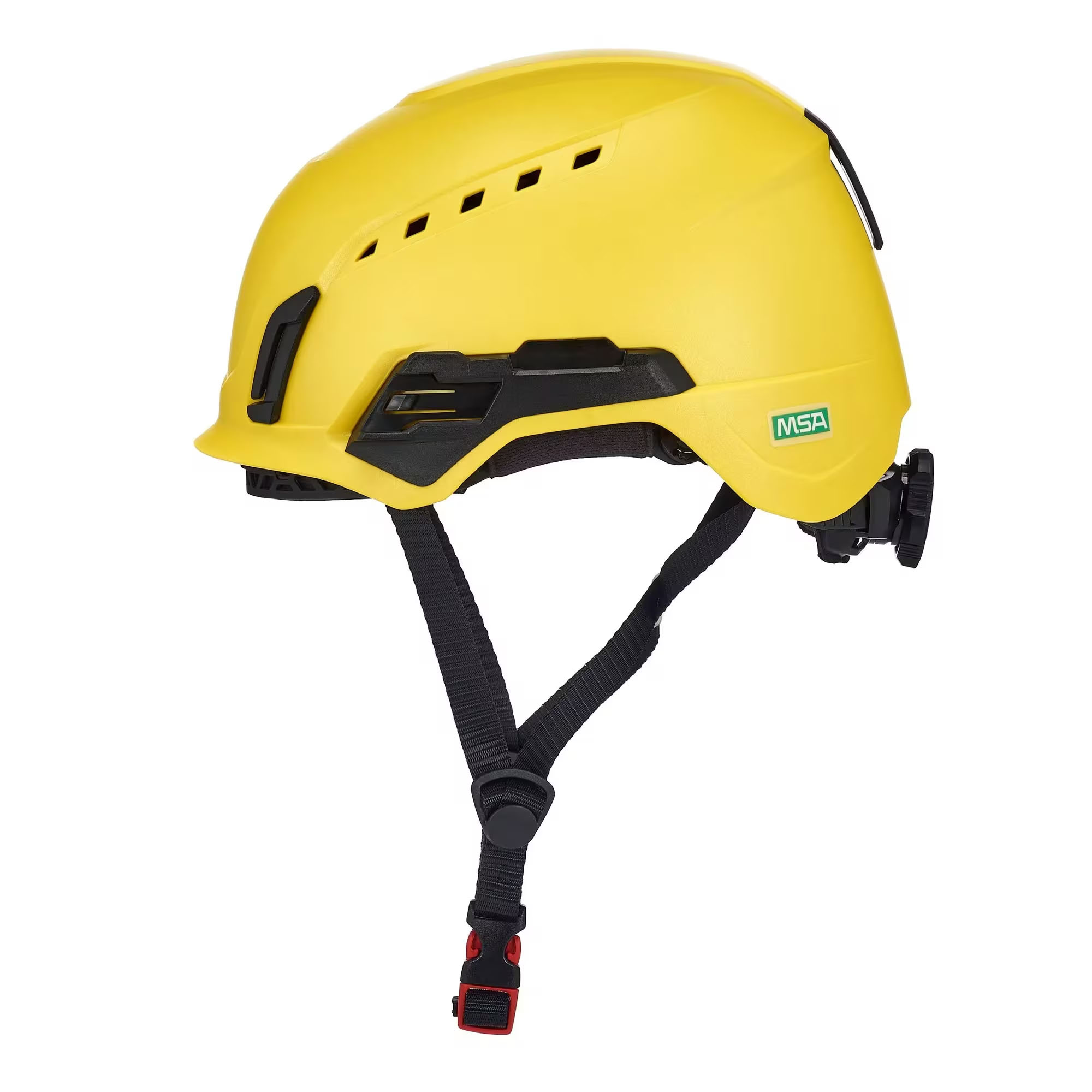
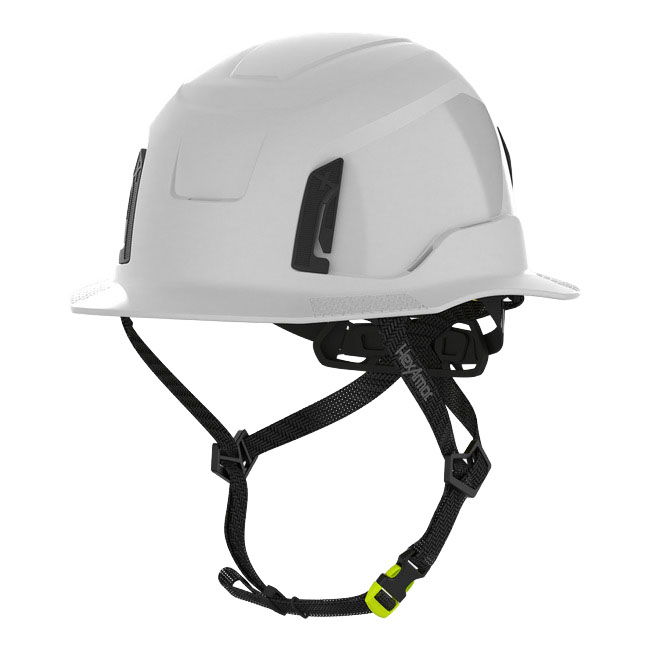
Traditional Type 1 hard hats remain widely used across Canadian construction sites, but they are designed primarily to protect against impacts to the top of the head. Workers can also suffer serious head injuries after falling, slipping, striking structural steel or being hit from the side by equipment or moving materials.
Two industry developments are accelerating that change:
- Ontario Regulation 112/26 will introduce new head-protection requirements on construction projects beginning July 1, 2027.
- The Canadian Construction Safety Council (CCSC) has announced a mandatory transition to Type 2 safety helmets with integrated chin straps for subcontractors working on member projects, effective July 1, 2026.
Together, these developments are moving the construction industry toward head protection designed for both top and lateral impacts.
Key takeaways
- Ontario’s amended head-protection requirements for construction projects come into force on July 1, 2027.
- Type 2 head protection will be required where workers may be exposed to side-impact hazards.
- Ontario is not requiring every construction worker to wear a Type 2 helmet in every situation.
- A chin strap or another retention system will be required where protective headwear may become dislodged.
- The CCSC has announced a Type 2 helmet requirement for subcontractors on member projects across Canada, effective July 1, 2026.
- Employers should verify certification, electrical class, fit and accessory compatibility before purchasing new helmets.
What changed in Ontario?
Ontario Regulation 112/26 amends the head-protection provisions in O. Reg. 213/91: Construction Projects under the Occupational Health and Safety Act.
Beginning July 1, 2027, workers who may be exposed to side-impact hazards must wear protective headwear that satisfies the applicable Type 2 requirements under CSA Z94.1 or Type II requirements under ANSI Z89.1. Headwear that offers protection at least equivalent to those requirements may also be permitted.
This means employers will need to assess both the nature and direction of potential impacts. They can no longer automatically assume that traditional Type 1 hard hats are appropriate for every construction task.
The regulation also addresses helmet retention. A worker must use a chin strap or another retention system when conditions on the project may cause their protective headwear to become dislodged.
The regulation does not require every Ontario construction worker to wear a Type 2 helmet. It requires employers to evaluate the hazards and provide head protection appropriate to those risks.
Employers can review the amended text of Ontario Regulation 112/26 here.Why are side impacts receiving more attention?
Construction head injuries do not occur only when an object falls directly onto a worker.
Workers may experience lateral impacts during incidents involving:
- falls from ladders or elevated work areas
- scaffold incidents
- slips and trips
- swing falls while using fall-protection equipment
- contact with beams, piping or structural steel
- contact with mobile equipment
- shifting or moving materials
- work in confined or congested areas
Type 1 and Type 2 head protection are designed for different impact conditions.
Type 1 headwear primarily protects against impact and penetration at the top of the head. Type 2 headwear adds protection against lateral impacts to the front, back and sides.
This added coverage can be particularly important when a worker falls or is struck from a direction other than directly overhead.
The CCSC is moving even faster
Ontario’s regulatory amendment is not the only factor influencing helmet selection.
Effective July 1, 2026, the Canadian Construction Safety Council has announced a mandatory transition for subcontractors working on CCSC-member sites across Canada.
The CCSC’s published standard calls for:
- CSA- or ANSI-certified Type 2 headwear
- integrated chin straps
- head protection appropriate for the hazards present
Many of Canada’s largest general contractors are represented within the CCSC. As a result, companies may encounter Type 2 helmet requirements through contractor or project-owner policies even where provincial regulations do not impose the same requirements.
The CCSC requirement and Ontario regulation should not be treated as interchangeable.
Ontario requires Type 2 protection where workers may be exposed to side-impact hazards and a retention system where headwear may become dislodged. The CCSC’s published safety standard specifically calls for certified Type 2 headwear with integrated chin straps for subcontractors on member sites.
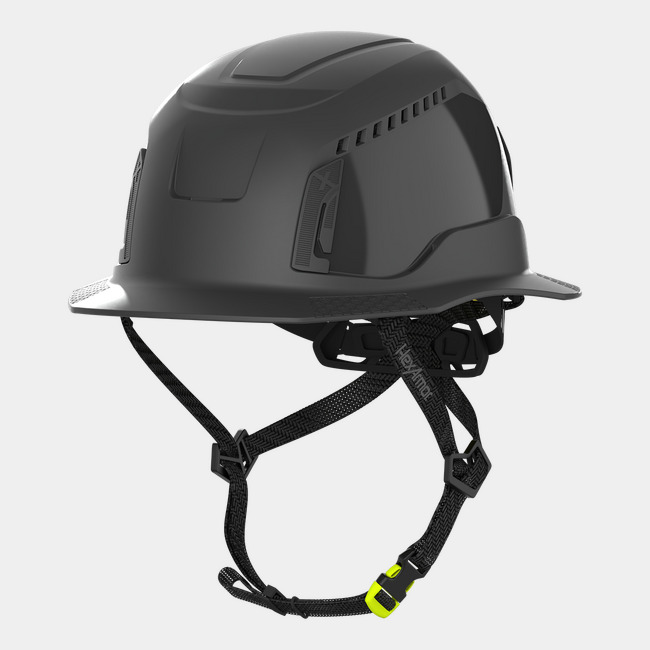
Why chin straps matter
A helmet cannot provide its intended protection if it is no longer properly positioned on the worker’s head.
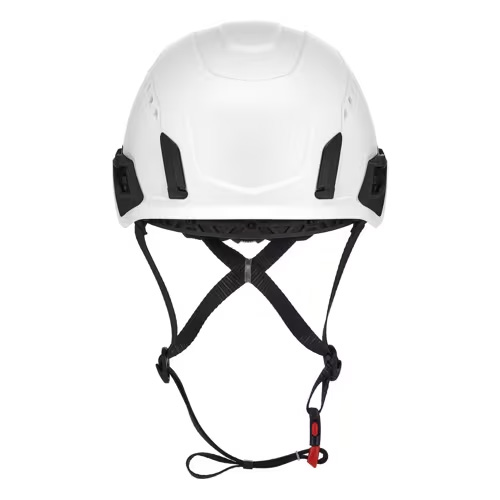
During a fall, slip, sudden movement or awkward work position, headwear can shift or become dislodged. A suitable chin strap or retention system helps keep the helmet in place when protection is needed most.
Chin straps can help:
- prevent helmets from falling off during falls or sudden movements
- maintain coverage during slips and work in awkward positions
- improve retention in windy conditions
- reduce dropped-object hazards caused by dislodged headwear
However, simply attaching a chin strap is not enough.
The strap must be compatible with and approved by the helmet manufacturer. Workers must also know how to adjust both the suspension and strap correctly. A chin strap worn too loosely may provide little practical retention.
Beyond compliance: the business case
Some construction organizations are adopting Type 2 helmets across their operations before regulations require them to do so.
Potential benefits include:
- reducing exposure to serious head injuries
- improving worker confidence in their protective equipment
- creating consistent PPE expectations across projects
- making subcontractor requirements easier to communicate
- simplifying purchasing and inventory management
- aligning with owner and general-contractor standards
- supporting Serious Injury and Fatality prevention programs
Standardizing head protection can also reduce confusion for workers who move between projects. Instead of determining which helmet is permitted at each location, workers and supervisors follow one consistent company standard.
What employers should do now
Type 2 Head Protection Transition Checklist
Prepare early. Verify every part of the head-protection system.
1. REVIEW HAZARDS
Identify side-impact and helmet-dislodgement risks.
3. VERIFY CERTIFICATION
Confirm CSA Z94.1 Type 2 or ANSI Z89.1 Type II markings.
5. TEST FIT + COMPATIBILITY
Trial helmets with eyewear, hearing protection, face shields and other accessories.
2. AUDIT INVENTORY
Record helmet type, certification, electrical class and condition.
4. CHECK RETENTION
Use manufacturer-approved chin straps or retention systems.
6. TRAIN + COMMUNICATE
Train workers and tell contractors what is required before arrival.
ONTARIO REGULATIONS TAKE EFFECT JULY 1, 2027
Waiting until shortly before the Ontario requirements come into force could limit product selection and leave insufficient time for product trials, training and contractor communication.
Review hazard assessments
Identify tasks and locations where workers could be exposed to side impacts or where headwear could become dislodged.
Consider routine work as well as foreseeable incidents, including falls, slips, equipment contact and work in awkward or restricted positions.
Review current head protection inventory
Document the:
- Type 1 and Type 2 models currently in use
- CSA or ANSI certification
- electrical class
- manufacturing dates
- condition and service history
- available retention systems
- compatible accessories
As demand increases, safety teams should also distinguish between products that are independently certified and products that merely claim to “meet” a standard. Review the head protection markings and supporting documentation for the certification body, applicable standard and classification.
Evaluate chin-strap policies
Determine where a chin strap or another retention system is required by:
- the hazard assessment
- Ontario regulations
- project or contractor rules
- company policy
Confirm that each retention system is supplied or approved by the helmet manufacturer.
Test fit and accessory compatibility
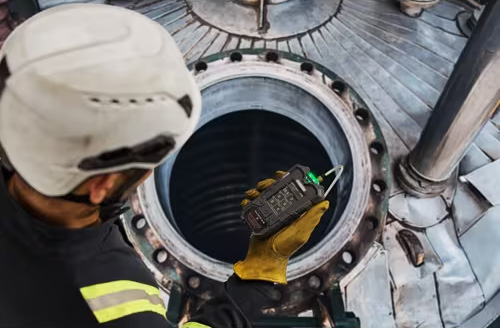
Head protection designs and adjustment ranges vary. Conducting a limited field trial can help identify comfort, fit, and stability issues before a larger rollout.
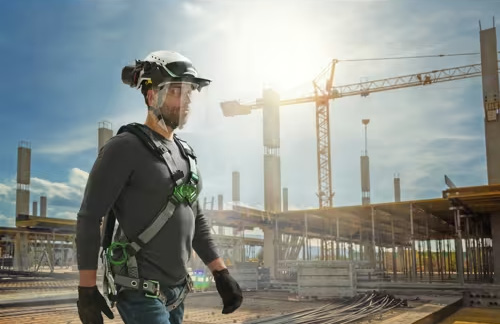
Test each helmet or hard hat with other PPE and accessories used on the job, including:
- hearing protection
- face shields
- safety eyewear
- respirators
- welding shields
- headlamps
- cold-weather accessories
Existing accessories may not fit new head protection or may not be approved for use with it.
Train workers
Training should address:
- proper fit and adjustment
- correct chin-strap use
- pre-use inspections
- cleaning and storage
- accessory installation
- damage and impact reporting
- replacement requirements
Plan procurement early
Demand for certified Type 2 headwear and compatible accessories may increase as contractor and regulatory deadlines approach.
Begin working with suppliers early enough to assess products and secure the required:
- quantities
- sizes
- colours
- chin straps
- replacement suspensions
- compatible accessories
Prepare for the shift to Type 2 head protection
Construction safety is shifting beyond minimum compliance toward equipment that better reflects how injuries occur in real working environments.
Ontario’s new requirements reinforce the importance of assessing lateral-impact hazards and using a retention system where headwear could become dislodged. At the same time, the CCSC’s transition is accelerating the adoption of Type 2 safety helmets across major construction projects in Canada.
Organizations that plan early will have more time to assess their hazards, verify certification, test helmet fit, train workers and communicate expectations to contractors. They will also be better positioned to secure the sizes, colours and accessories they need before demand increases.
Head-protection transition timeline
- April 2026: Ontario files O. Reg. 112/26.
- July 1, 2026: The CCSC’s Type 2 headwear requirement for subcontractors on member projects takes effect.
- July 1, 2027: Ontario’s amended head-protection requirements for construction projects come into force.
Frequently Asked Questions
-
Not in every situation. Beginning July 1, 2027, Type 2 head protection will be required where workers may be exposed to side-impact hazards. Employers must assess the hazards and select appropriate head protection.
-
Type 1 headwear primarily protects against impacts and penetration at the top of the head. Type 2 headwear also provides lateral impact protection for the front, back and sides.
-
No. Ontario will require a chin strap or another retention system where project conditions may cause protective headwear to become dislodged. Contractors, owners or employers may establish broader requirements.
-
Effective July 1, 2026, the CCSC’s published standard requires subcontractors working on member projects to wear CSA- or ANSI-certified Type 2 headwear with integrated chin straps.
-
Review the helmet markings and manufacturer documentation for the applicable standard, Type 2 classification and certification-body mark. Do not rely solely on wording such as “meets CSA” or “meets ANSI.”
-
Not automatically. Accessory connections and approvals vary between models. Confirm that hearing protection, face shields, lamps and other accessories are compatible with and approved for the selected helmet.